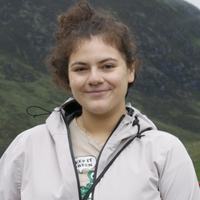
When did you disclose your disability to your university?
I had quite a varied experience between my HNC and degree studies. I had always wanted to go into higher education, but due to my health and disabilities, I'd found myself unable to do so in the traditional way.
Because of the changes to learning during the COVID-19 pandemic, I took advantage of the opportunity to study my HNC online, as I would've been unable to attend campus three or four days per week.
As I applied for the course fairly last-minute, I made the college aware of my disabilities right away. However, with only a month between being accepted and starting the course, there wasn't enough time to complete a Disabled Students' Allowance (DSA) application and assessment. The college was supportive, they were limited in what they could provide without funding.
This experience directly influenced my approach to university. After college, I deferred my degree by a year due to health reasons and the need for a break. Knowing I was due to start in September, I contacted the university in April to begin the support process early.
The disability adviser was very understanding and helped ensure my DSA funding, accommodations and adjustments were all in place well before I started. Having that support organised in advance meant I could focus on recovering and preparing for my studies. I began my undergraduate degree with the in-person support and equipment I needed from day one.
Did you request any reasonable adjustments?
I received additional time for assessments, and I also requested extended time for an online exam we had during my second year. This was necessary due to the severe fatigue I experience, especially under high-stress situations like exams.
The extra time allowed me to take proper rest breaks when needed. I approached my disability adviser with this request, and she worked with the head of year to arrange a meeting to discuss my situation.
Although I felt anxious about the meeting, I felt supported and was relieved when we reached an agreement that made the necessary adjustments, allowing me to perform at the same level as my peers.
Which adjustments helped you the most?
When lecturers provided learning materials in advance, it had a significant impact. It allowed me to read and process the information beforehand, meaning I could engage more in class.
The ability to record lectures and seminars also proved very helpful and enhanced my learning experience.
How did your institution support your learning beyond formal adjustments?
During my third and fourth years, we had hybrid classes that combined online lectures with in-person seminars. I found this format especially beneficial for my learning, as it allowed me to revisit the lectures and review the content multiple times. It also helped me manage my disabilities.
The environment encouraged me to approach my lecturers for clarification on any topics I found challenging.
How has your experience as a disabled student shaped your career?
As someone whose experience of disability is shaped by different aspects of my identity, I've always been passionate about advocacy and equity. That passion was reignited during my studies, where I saw the impact on disabled students when the right support isn't in place.
I was particularly affected by the lack of opportunities for disabled students to undertake work experience or internships. Many employers only offered full-time summer positions that required in-person attendance. As a disabled student, working full time wasn't possible, and the summer period was often my chance to recover from the previous academic year. I know many others faced similar barriers.
These experiences motivated me to run for and be elected EDI (equality, diversity and inclusion) officer during my third year. I also joined a student changemakers project, where we supported the creation of neuro-affirming learning and assessment guidance for lecturers.
Through this work, I realised that combining business with advocacy was what I truly wanted to do. Alongside being the managing director of a creative studio I run with my partner, where we aim to create neuro-affirming creative environments, I also work as a freelance EDI consultant.
I was fortunate to be invited to join the Disabled Leaders Network, hosted by Snowdon Trust and the Global Disability Innovation Hub. I'm also due to commence a Masters degree in global health, which I see as a crucial turning point in my career and an opportunity to focus on the international aspects of disability, intersectionality and health systems.
Without my undergraduate experiences, my observations of other disabled students' experiences, and my time as an EDI officer, I wouldn't have considered turning my passion into my career.
What advice would you give to students?
I strongly encourage anyone planning to disclose their disability to do so during the application process. These procedures take time, so the sooner you start, the better, particularly when it comes to applying for DSA.
I know many disabled people aren't keen on assessments because of previous experiences with things like Personal Independence Payment (PIP) or Adult Disability Payment (ADP). However, the DSA assessment and disability adviser meetings are very different. Their purpose is to identify which supports and adjustments would make studying accessible to you.
If you decide not to disclose initially, it's never too late to access support. During my undergraduate degree, I received multiple new diagnoses and contacted the disability team each time to discuss any additional accommodations that could help me.
Asking for adjustments can feel intimidating, especially if you've never done it before. It's easy to question whether you really need support or whether you're asking for too much. In my experience, you're not. Supporting disabled students is exactly what disability services are there for.
When researching courses and universities, contact disability support teams in advance and read about other disabled students' experiences. If possible, attend open days and speak to student services staff. If attending in person isn't accessible, ask whether a remote meeting can be arranged.
Looking back, is there anything you would do differently in seeking support or adjustments?
Reflecting on my current knowledge, I should have considered my decision more carefully when applying for and accepting a relatively last-minute place for my HNC studies.
I would have allowed more time for formal arrangements to be implemented and applied earlier in the year, but I also recognise the circumstances I was facing at the time and the uncertainty about whether learning would take place remotely or in person during the pandemic.
I would also make sure to voice my concerns early on, such as when adjustments or accommodations were not being put in place, like when class materials were not provided in advance.
Find out more