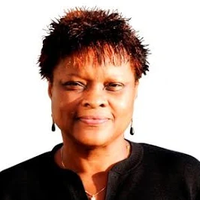
headshot of Alyson Malach
Case study

Director: Alyson Malach

Alyson is the director of Equality and Diversity UK (EDUK). Alongside this role, she works voluntarily to support organisations to strengthen inclusive, ethical and equitable practice

What degree/qualifications did you study?

My academic background includes qualifications in teaching, social work and special educational needs and disabilities (SEND), and I hold an MPhil. In parallel with my formal education, I have completed a range of professional qualifications and accredited training in:

  • equality and diversity
  • governance
  • organisational development
  • safeguarding.

This has included specialist training in:

  • anti-racism
  • domestic abuse awareness
  • inclusive leadership
  • Mental Health First Aid (MHFA)
  • microaggressions
  • neurodiversity
  • sexual harassment prevention
  • unconscious bias.

My professional learning has been continuous and shaped by both academic study and lived experience.

What inspired you to pursue a career in equality, diversity and inclusion?

My commitment to equality, diversity and inclusion (EDI) developed from seeing how inequality affects people's lives and opportunities. Through my work with young people, schools and community organisations, I became increasingly aware that many of the barriers individuals face are structural and systemic rather than the result of personal circumstances alone.

I wanted to contribute to change by helping organisations recognise discrimination, challenge prejudice and create environments in which people feel safe, respected and valued. For me, equality work is grounded in principles of fairness, dignity and social justice.

How did you get your job in EDI?

My role developed over time rather than through a single career route. I began my career in education and community settings and gradually specialised in EDI through training, project leadership and advocacy.

By building strong partnerships with organisations and demonstrating my ability to design training programmes, create practical resources and facilitate challenging conversations, I was able to formalise this work through the establishment of Equality and Diversity UK Ltd.

What tasks do you complete on a typical day?

My work includes writing educational resources, designing and delivering training programmes, and supporting managers and leaders through professional networks, book clubs and structured 'courageous conversations'.

I regularly contribute to policy development, meet with school leaders and trustees, and provide guidance on sensitive organisational issues. I also design toolkits, lead awareness campaigns, analyse organisational data and plan conferences and workshops.

A central part of my role involves listening carefully to lived experiences and helping organisations respond in an informed, ethical and reflective way.

What do you enjoy about working in the field?

The most rewarding aspect of my work is seeing real and lasting change. This may take the form of improved inclusive practice within a school, increased confidence among managers when addressing difficult topics, or young people feeling recognised and supported.

I particularly value the opportunity to work with individuals from diverse backgrounds and to contribute to greater understanding within organisations and communities.

What are the challenges?

One of the main challenges is resistance to change, especially when discussions involve topics such as racism, gender identity or disability.

The work also carries a significant emotional dimension, as it often requires engagement with experiences of discrimination and trauma. Balancing empathy with professional boundaries is therefore an essential part of the role.

What three skills are most valuable in the EDI field?

The three most valuable skills are:

  • communication - essential for explaining complex concepts clearly and sensitively
  • critical thinking - enables assumptions to be challenged and evidence-based solutions to be developed
  • cultural competence - support meaningful engagement with different lived experiences.

What type of person would suit a career in this area?

This career is well suited to individuals who are reflective, open-minded and committed to social justice. It requires confidence in engaging with challenging conversations, a willingness to learn continuously and a strong sense of ethical responsibility. Integrity and a genuine interest in people are fundamental qualities.

Can you debunk a myth about working in equality, diversity and inclusion?

A common misconception is that EDI work is about controlling language or limiting freedom of expression. In practice, it focuses on education, dialogue and the creation of respectful and inclusive organisational cultures. It is concerned with learning and development rather than blame.

What advice can you give to others who want to work within EDI?

  • Listen carefully, remain intellectually curious and commit to lifelong learning.
  • Develop a strong understanding of diversity, intersectionality and social justice alongside strong interpersonal and communication skills.
  • Seek opportunities to work and volunteer in diverse sectors, engage with mentors and be prepared to challenge systems in a respectful and evidence-informed way.
  • Most importantly, recognise that meaningful change is possible and that this work can make a lasting difference.

Find out more