How did you get your job?
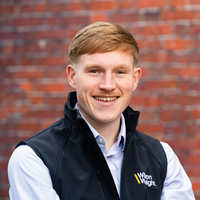
I secured my job after completing my industry placement year with Wilson Wraight. The placement gave me hands on experience in farm business consultancy and a clear understanding of how the firm supports clients. It also allowed the team to see how I worked and what I could bring to the business. After graduating, I was invited back to take up a full-time role.
How relevant is your degree to your job?
My Agri-business Management degree from Harper Adams University is highly relevant to my work. The course combined technical agricultural knowledge with finance, strategy and people management, all of which I draw on daily. It taught me how to analyse a business, interpret financial performance and think strategically about long-term planning - all essential skills for consultancy.
What are your main activities as an agricultural consultant?
Some days I'm analysing farm accounts, benchmarking performance data or preparing detailed strategic reports. Other days I'm out visiting clients, discussing business plans, succession, structures or long-term direction. Much of the role involves listening, asking the right questions and helping clients work through important decisions with clarity and confidence.
How has your role developed and what are your career ambitions?
Over time, I've moved from focusing on the technical foundations of consultancy to taking more responsibility for client relationships and strategic work. I now play a larger role in shaping business plans and supporting clients through change. In the long term, I hope to continue developing as a trusted adviser, helping farming families build resilient, sustainable businesses that work both financially and personally.
What do you enjoy about being an agricultural consultant?
I find it incredibly rewarding to see the positive impact of the work I do. Farming can be an isolating industry, and helping clients make confident, informed decisions feels meaningful. I also enjoy the mix of desk-based analytical work and engaging with clients on farm, it keeps the job varied and grounded in the reality of day-to-day farm life.
What are the most challenging parts?
The greatest challenges come from the pressures farming businesses face. Financial uncertainty, generational change and the emotional weight of family decision making can make conversations difficult. My role requires empathy, clear communication and the ability to balance commercial realities with the human side of running a farm. Building trust is essential, because many of the discussions we have are deeply personal.
Can I get into agriculture if I'm not from a farming background?
Absolutely - and I'm proof of that. Coming from a non-farming background has shaped the way I work in a positive way. Without preconceived ideas, I learned to ask questions, challenge assumptions and communicate clearly without relying on jargon. It made me more aware of the importance of listening and building understanding rather than assuming how things 'should' be done.
My background has also encouraged me to engage more widely in the sector. I'm involved in agricultural initiatives beyond consultancy, including speaking at events about mental wellbeing in farming. This involvement isn't essential for the job, but it's helped me understand the wider pressures people face and the human impact of business decisions.
The agricultural sector is open to people with a range of skills - finance, business, environmental science, technology, data, and more. What matters most is curiosity, respect for the industry, and a willingness to learn. If you're prepared to immerse yourself, get hands on experience and build relationships, you can thrive in agriculture regardless of your background.
What advice would you give to someone wanting to work in agricultural consultancy?
- Get practical experience early - hands-on experience is invaluable. I spent summers working harvest jobs, which helped me understand production systems and the daily pressures farmers face. It also helps build credibility and rapport with clients.
- Build strong people skills - consultancy is fundamentally a people-focused job. You need to listen well, communicate clearly and hold constructive conversations - including difficult ones. Attend industry events, talk to professionals, and put yourself in situations that help build confidence.
- Stay curious and keep learning - agriculture changes quickly, from policy to markets to technology. You need to keep up with these changes and consider how they affect businesses. Staying informed and being willing to adapt is key to providing valuable advice.
- Understand the business as well as the sector - farm consultancy isn't just about production; it's about business structures, financial analysis, risk management and long-term strategy. Developing commercial awareness will set you apart.
- Look for opportunities to stretch yourself - whether it's leading a small project, presenting at an event or taking responsibility for a piece of analysis, putting yourself forward helps you grow quickly and shows initiative.
Find out more